Compliance Was a Box Everyone Ticked
A compliance officer on the open secret of compliance training — everyone clicks through it as fast as possible — and the day it actually changed behaviour instead of just generating a certificate.
Everyone in my profession knows the open secret: most compliance training exists to generate a certificate, not to change behaviour.
I'd assign the annual module. People would open it, click through as fast as the system allowed, skip what they could, guess on the quiz until they passed, and collect the completion certificate. Box ticked. We were "compliant" — meaning we could prove training had been delivered. Whether anyone actually learned anything, whether anyone's behaviour changed, whether we were actually safer or more ethical or more compliant in *reality* — that was a different question, and the honest answer was usually no. The training protected the company on paper. It did very little in practice. And I knew it, which is a strange way to spend a career: administering something whose main function is documentation.
The problem is that compliance topics are abstract until they're suddenly, catastrophically not. A policy on a slide is forgettable. The situation the policy exists to prevent is vivid — but you only encounter it for real when it's too late.
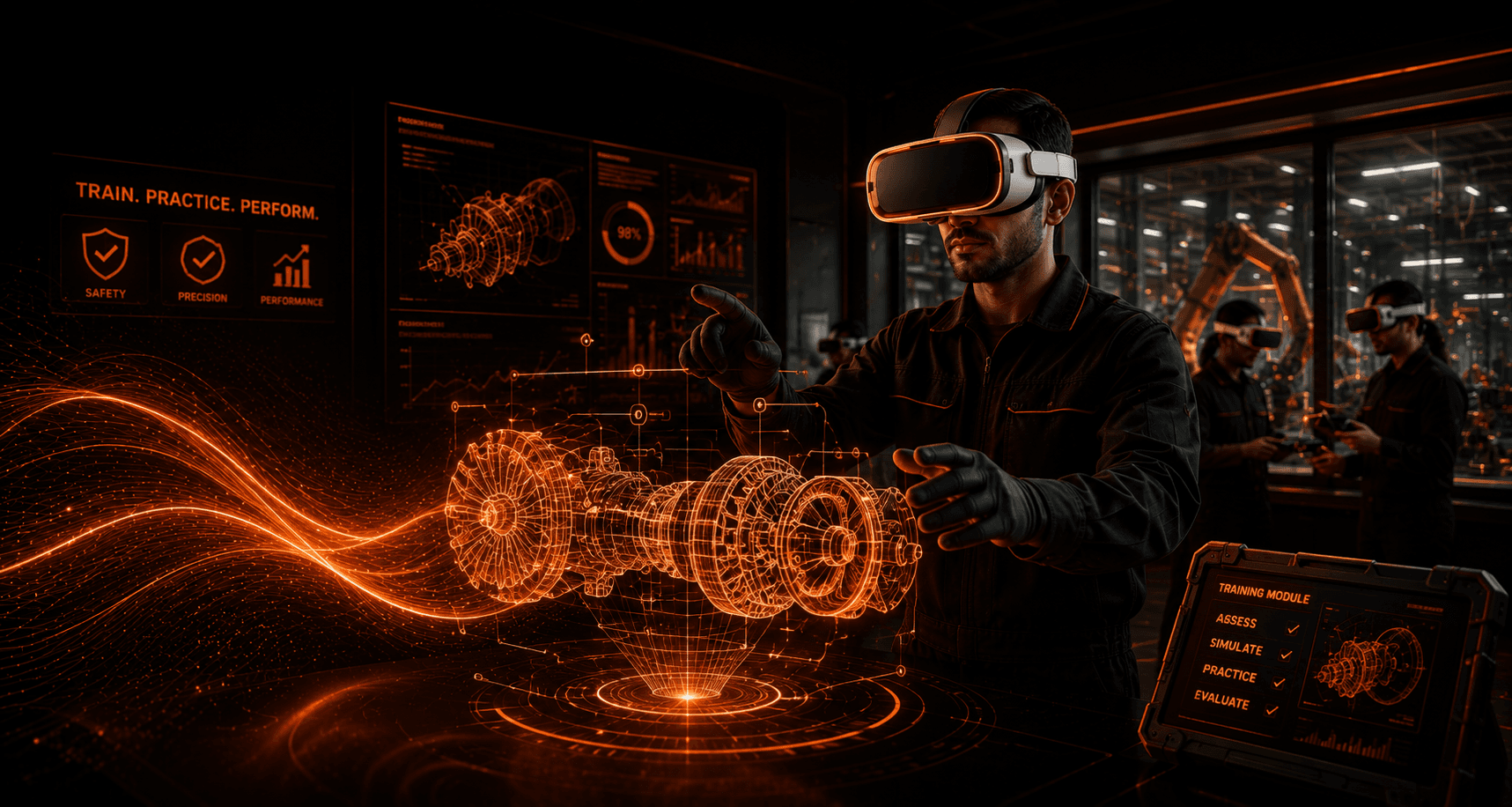
Immersive compliance training closed that gap by letting people encounter the situation safely, before it's real.
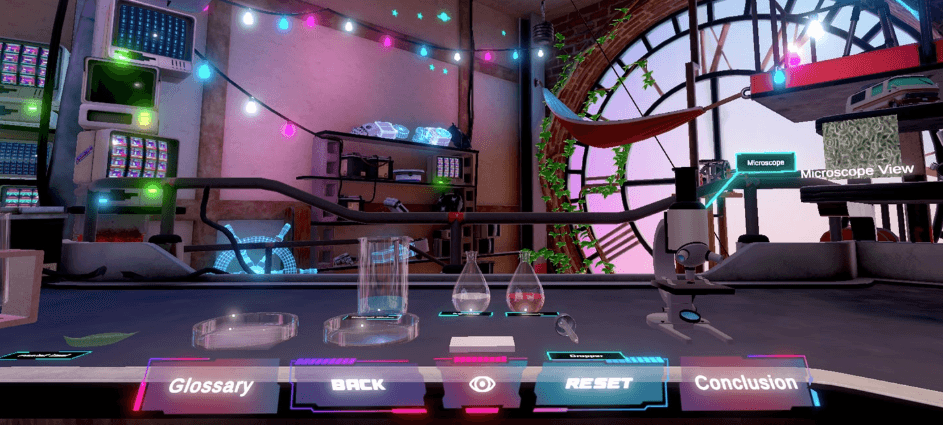
Instead of clicking through slides about a policy, people now experience scenarios — they face the ethical dilemma, the safety situation, the moment where the rule actually matters, in a realistic simulation where they have to make the call and live the consequence. The abstract policy becomes a concrete experience. And experiences stick where slides slide off. Someone who has *navigated* the scenario remembers the principle behind it in a way that someone who clicked past a bullet point never will.
The first sign it was working was small but telling: people stopped racing to finish. They actually engaged, because it wasn't a box to click through — it was a situation to work through. And later, when real versions of those situations came up, people handled them better. The training had actually reached the moment it was designed for.
We're still compliant on paper, of course. But now the paper reflects something real. The training doesn't just generate certificates anymore; it changes what people actually do when the moment comes. After a career of administering box-ticking, watching compliance training finally *work* — finally change behaviour instead of just documenting attendance — felt like the job I thought I'd signed up for.
Want to see immersive training running in your industry?
Book a Demo →