We Spent a Fortune Training People Forgot by Friday
An L&D head on the quiet humiliation of running training nobody remembered and being unable to prove any of it worked — and what changed both.

For years, my function had a dirty secret: we spent a great deal of money on training that people forgot almost immediately, and I couldn't prove any of it worked.
The forgetting was the first problem. We'd run a workshop, people would attend, nod, complete it — and within days, most of it was gone. This isn't a knock on our people; it's how passive learning works. You sit, you listen, you forget. The retention from a slide-based session is dismal, and everyone in L&D knows it even if we don't say it in the budget meeting. We were, in effect, paying real money to fill buckets that leaked almost as fast as we filled them.
The second problem was worse for me personally: I couldn't prove impact. When leadership asked whether our training actually changed anything — performance, behaviour, capability — I had attendance numbers and smile-sheet feedback and nothing real. "People attended and said they liked it" is not evidence of impact, and I knew it, and I suspect leadership knew it too. My function was a cost nobody could connect to an outcome, which is a dangerous thing to be.
Immersive, hands-on learning fixed the forgetting. Analytics fixed the proving.
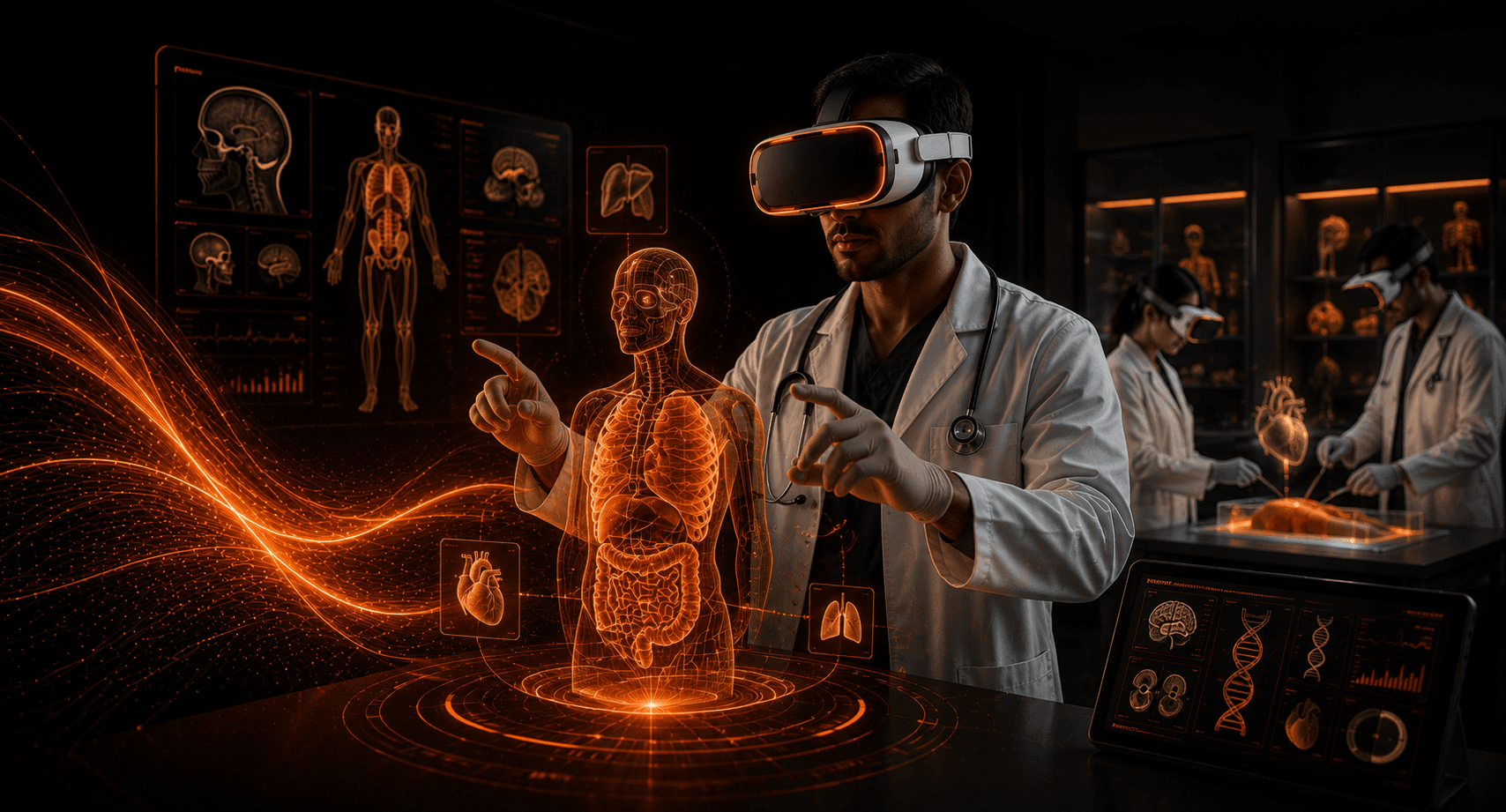
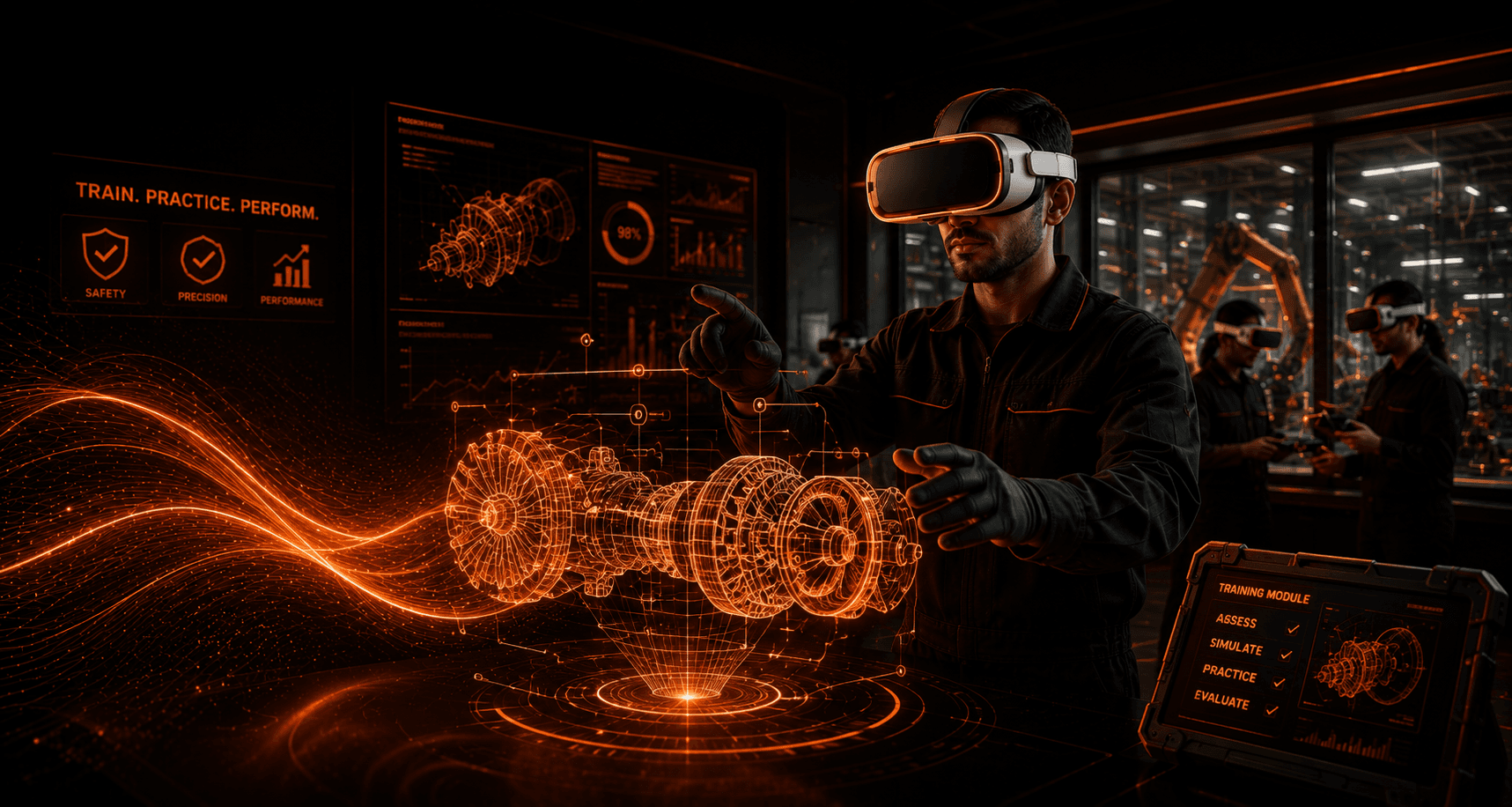
The retention problem went first. People remember what they *do* far better than what they hear, and immersive training is doing, not listening. When someone practises a skill in a realistic simulation — actively, repeatedly, with consequences — it sticks in a way a workshop never did. The buckets stopped leaking, because the learning was experienced, not just received. We started seeing capability that actually lasted past Friday.
Then the analytics gave me the thing I'd never had: proof. I can now see who trained, how they performed, whether they improved, whether they reached competency — and connect that to what happens on the job. When leadership asks whether training worked, I don't show them attendance anymore. I show them performance: people demonstrably more capable, measured, with the improvement tracked. My function stopped being an act of faith and became something with evidence behind it.
That changed how L&D is seen here. We're not the department that runs forgettable workshops and hopes. We're a function that builds capability people retain, and proves it. The dirty secret is gone, on both counts — they remember it now, and I can show that they do.
Want to see immersive training running in your industry?
Book a Demo →