The Day the Heart Finally Made Sense
The human heart was just four labelled boxes in a textbook — until she stood inside one. How immersion turns memorising into understanding.
For two years, the human heart was four boxes to me. Left atrium, right atrium, two ventricles. I could label the diagram. I could not, for the life of me, understand it. Blood went in, blood came out, arrows pointed everywhere, and none of it lived in my head as a real thing. It was just a picture I'd trained myself to copy.
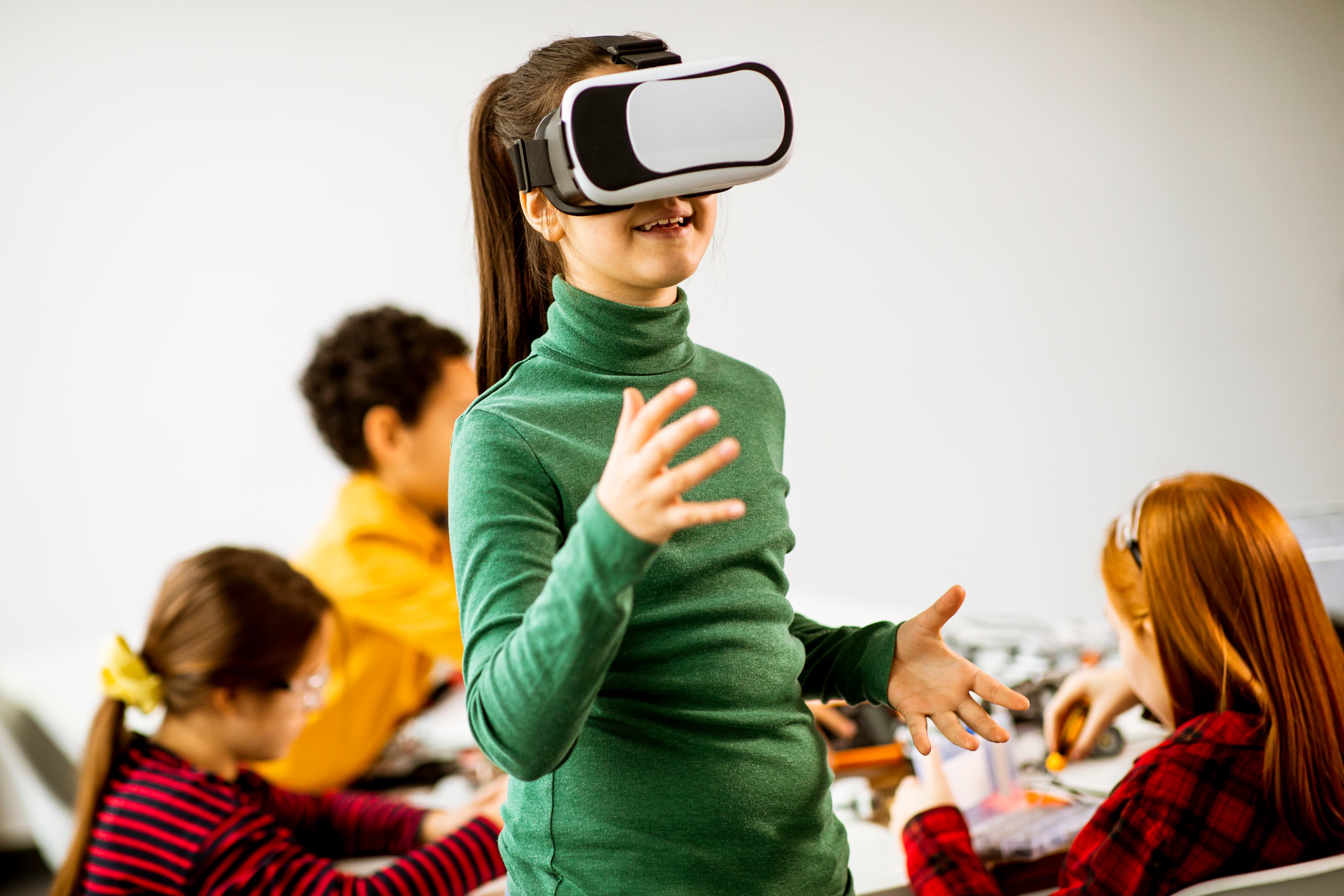
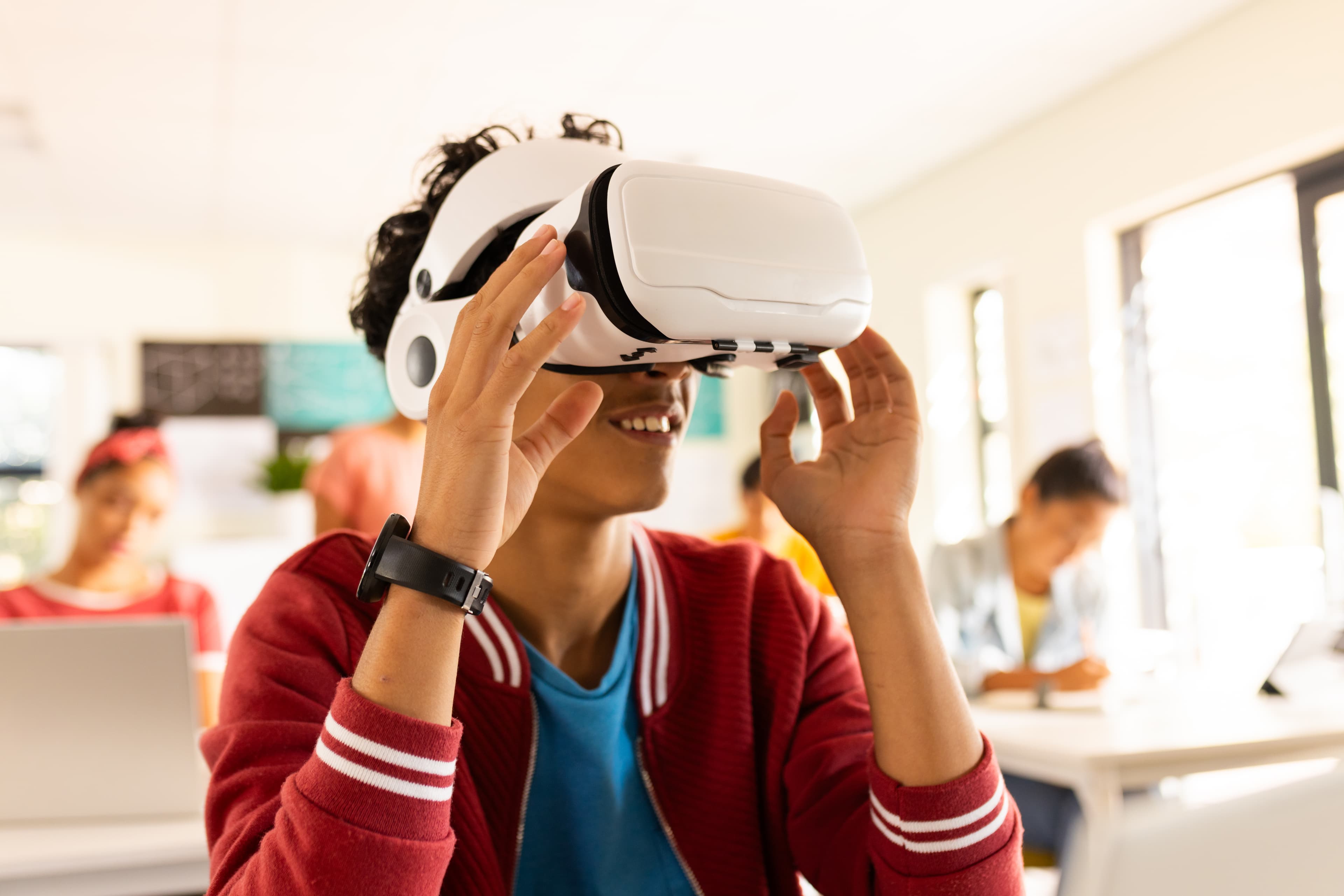
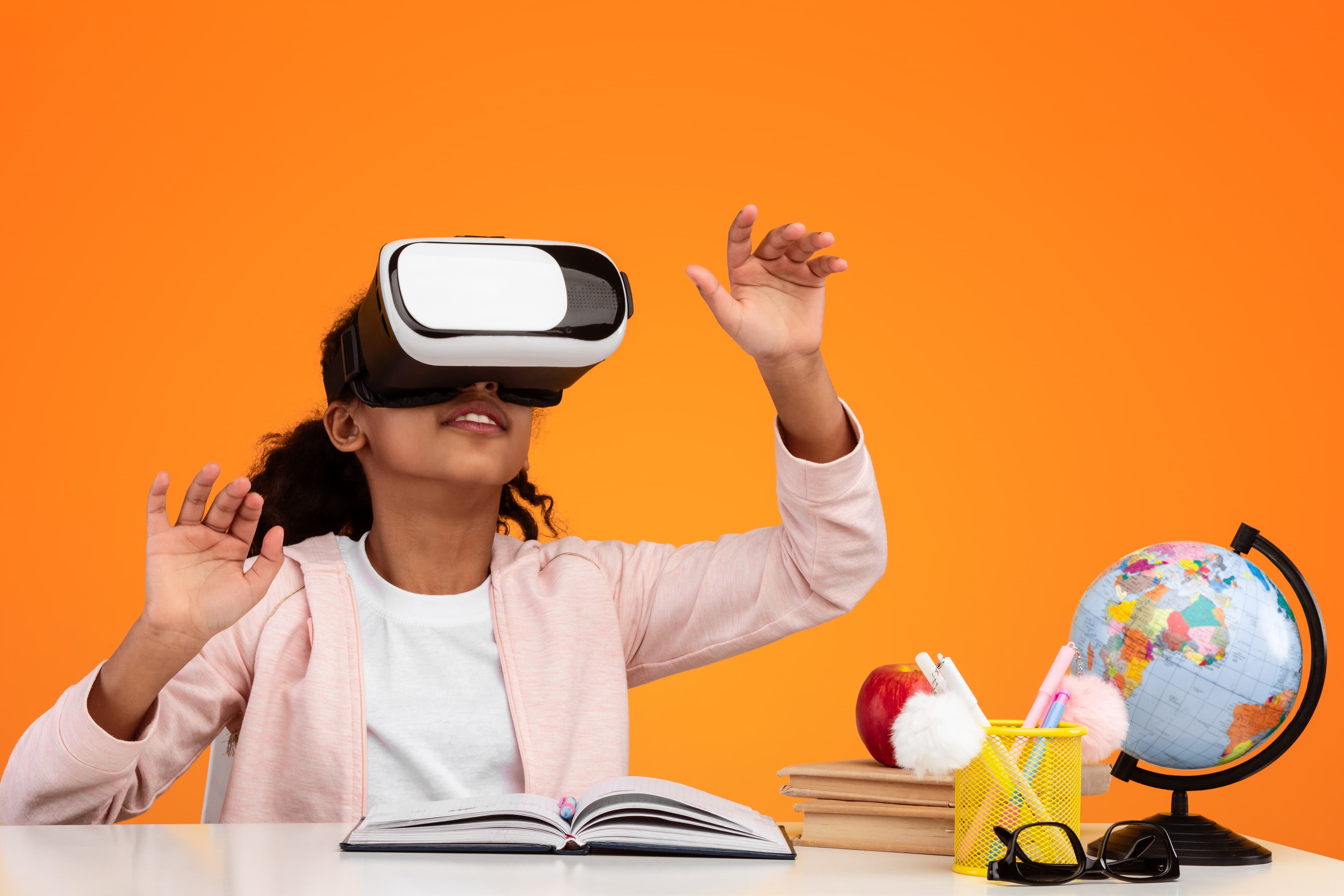
Then in our VR period, I put on the headset and the teacher loaded the biology lab, and I was — I don't know how else to say it — *inside* a heart.
It was beating. Around me. The walls of it pulsing. And the blood wasn't an arrow, it was a current, moving through the chambers in an order that suddenly, obviously, made sense. I watched a valve open and snap shut. I understood, in about four seconds, something two years of diagrams had failed to teach me: the valves stop the blood going backward. Of course they do. I could *see* it.
I walked through the whole cycle. Lungs, heart, body, back again. When the guide — Abhi, the little 3D tutor — pointed at the valve and explained why it closed, I wasn't memorising a sentence. I was watching the sentence happen.
When I took the headset off, the classroom looked strange for a second, too flat. But the heart stayed with me. It still does. When the exam asked about blood circulation, I didn't recall a diagram. I closed my eyes and walked back through the chambers I'd stood inside.
I used to think I was just bad at biology. Turns out I was just trying to understand a three-dimensional thing from a two-dimensional drawing. Nobody can do that well. Some of us just hide it better.
Want to see Abhigyaan in your school?
Book a Demo →